• Home
  • About
  • Contact
  • Privacy Policy
   
  • Home
  • About
  • Contact
  • Privacy Policy

Sketchbooks and Coloringkits

🎨 SKETCHBOOKS
​1. Paper Types
  • Drawing Paper
    • Medium weight (usually ~70–100 lb or 110–150 gsm)
    • Slight tooth (texture)
    • Good for dry media: graphite, charcoal, colored pencil
  • Sketch Paper
    • Lightweight (~50–70 lb or 74–104 gsm)
    • Smoother, less durable
    • Best for quick studies, ideas, dry media only
  • Mixed Media Paper
    • Heavier (~90–120 lb or 160–250 gsm)
    • Designed for both dry and light wet media (ink, watercolor, markers)
  • Watercolor Paper
    • Heavyweight (140 lb / 300 gsm or more)
    • Cold press: textured; Hot press: smooth
    • Absorbs water-based media without warping
  • Bristol Board
    • Very smooth and thick (~100–400 lb / 270–520 gsm)
    • Great for ink, markers, and clean illustrations
Binding Types
  • Spiral Bound
    • Lays flat
    • Easy page removal
    • Great for fieldwork or portability
  • Hardcover / Case Bound
    • Durable
    • Professional look
    • Pages may not lay completely flat
  • Saddle-Stitched / Stapled
    • Lightweight
    • Good for short-term use
    • Not as durable
  • Glue Bound / Pad
    • Easy to tear out pages
    • Often used for watercolor or marker pads
​Sizes
  • Pocket (A6 or 4”x6”) – Good for quick sketches
  • A5 / 5”x8” – Portable and common for everyday sketching
  • A4 / 8.5”x11” – Standard and versatile
  • A3 / 11”x17” and up – Large format for expressive work or detailed drawings
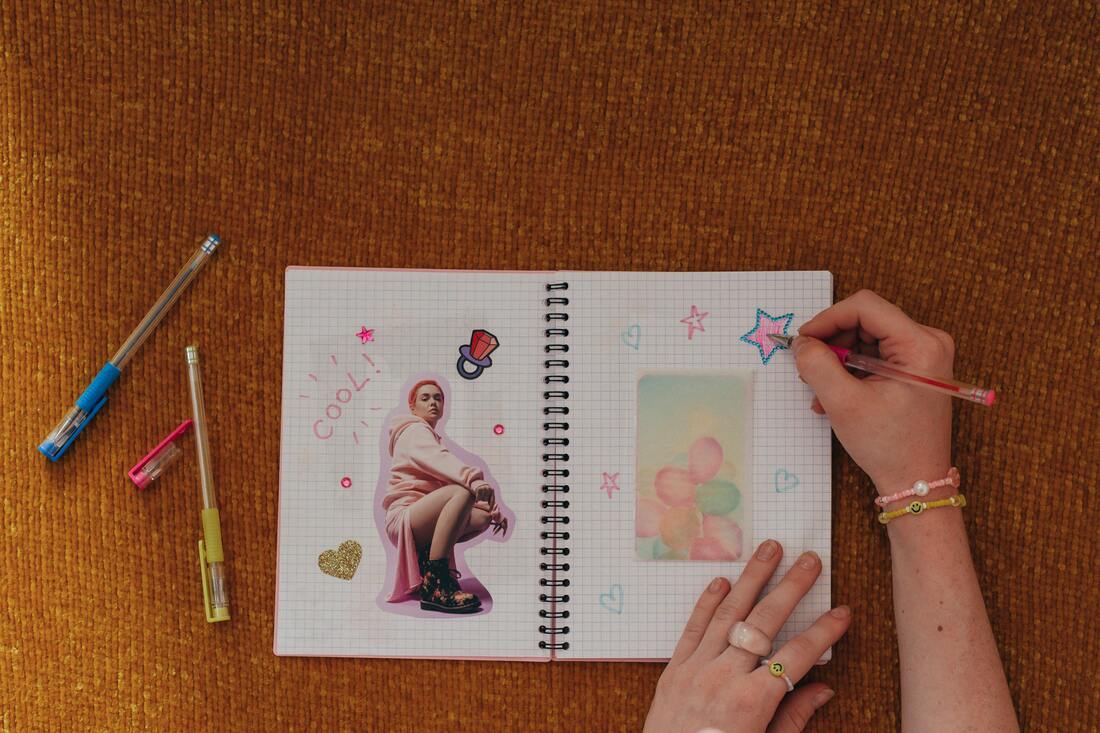
Picture
Surfaces / Finishes
  • Tooth – Roughness of the paper; more tooth grips dry media better
  • Smooth – Good for ink, markers, and fine detail work
  • Grain – Some sketchbooks have visible grain direction that affects how media sits on paper

🎨 COLORING KITSThese include tools for adding color to your sketches or finished pieces. Here's a breakdown of the types and what to expect.
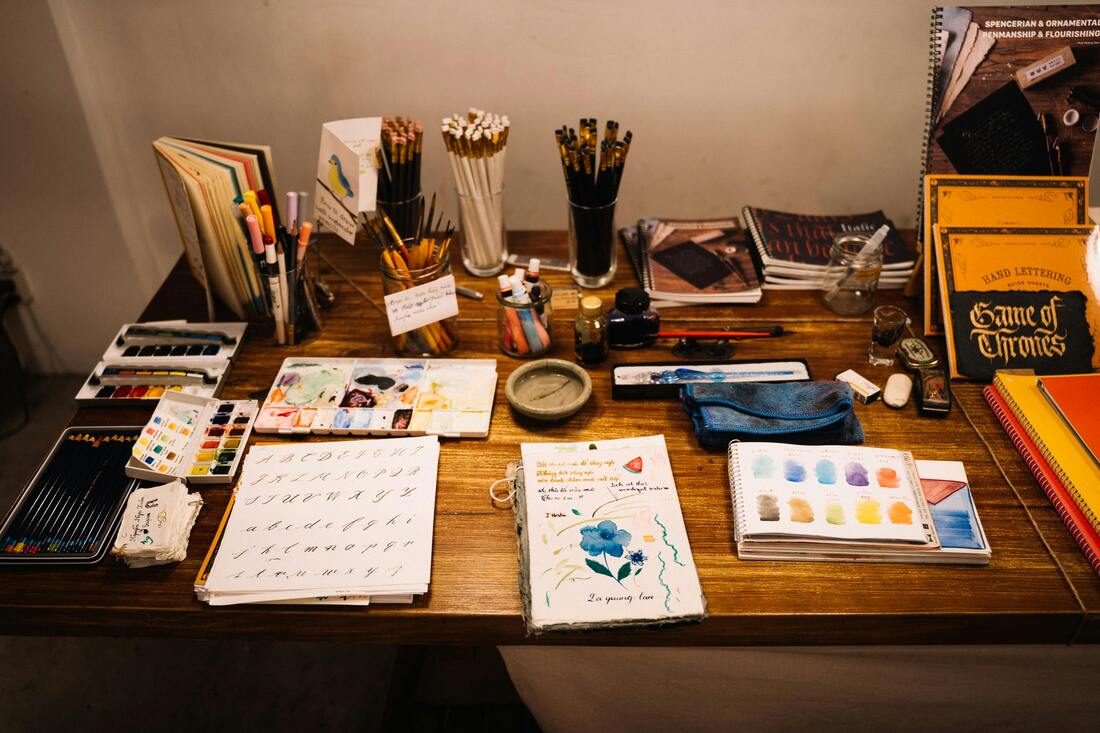
Picture
Colored Pencils
  • Wax-Based
    • Smooth and blendable
    • May bloom over time (white film)
  • Oil-Based
    • Harder core
    • Sharper lines, better for detailed work
  • Watercolor Pencils
    • Use dry, then add water for watercolor effect
Use for: Sketching, layering, shading, coloring books, and fine details


​Markers
  • Alcohol-Based
    • Blend well, vibrant
    • Bleeds through most papers
    • Needs marker-specific or bleed-proof paper
  • Water-Based
    • More affordable and less bleed
    • Can pill or warp paper if overused
Use for: Graphic design, illustration, rendering

Crayons / Wax Pastels
  • Soft and creamy, great for expressive work
  • Not suitable for fine detail
  • May need fixative spray to prevent smudging

​Oil Pastels
  • Bold colors, creamy texture
  • Smudge easily
  • Can be layered and blended, often with fingers or blending stumps

​Chalk Pastels / Soft Pastels
  • Powdery and rich in pigment
  • Need textured paper (like pastel paper)
  • Require fixative spray

​Watercolors (Pans or Tubes)
  • Pans: Dry and portable
  • Tubes: Creamy, rich pigments
  • Use with watercolor paper only
Extras needed: Brush, water container, palette

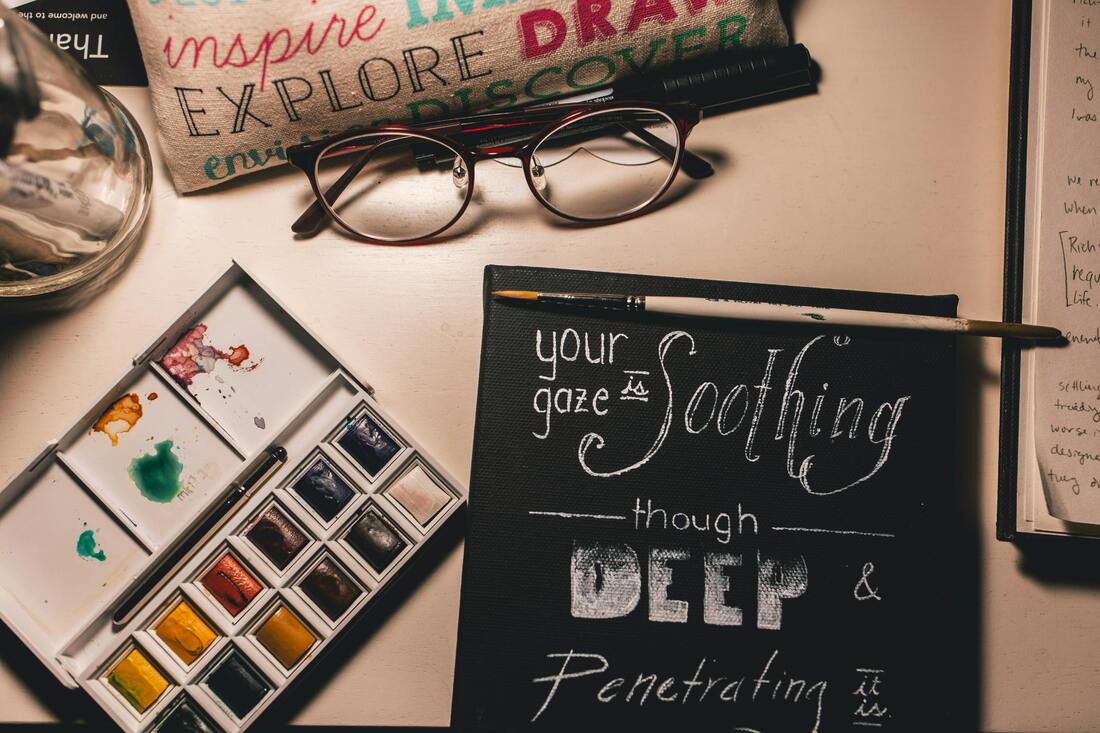
Picture
Gouache
  • Opaque watercolor
  • Matte finish
  • Good for flat illustrations or layered painting

Ink & Brush Pens
  • India ink, pigment ink, or dye-based
  • Brush pens give a flexible, painterly effect
  • Good for calligraphy, comic art, and expressive line work

✏️ Accessories to Consider
  • Erasers: Kneaded (for soft lifting), vinyl/plastic (for precision)
  • Sharpeners: Manual or electric
  • Fixatives: Prevent smudging for pastels, charcoal, pencil
  • Blending Stumps/Tortillons: For smooth shading
  • Masking Tape: To secure paper or create clean edges

📚 Tips for Choosing
  • Beginners: Start with a mixed media sketchbook and basic colored pencils or water-based markers
  • Travel Artists: Choose small, hardcover or spiral-bound sketchbooks and portable coloring tools (watercolor pans, brush pens)
  • Digital Artists (crossover): Scan or digitize sketches for digital coloring; some sketchbooks have scanning-friendly paper tones
  • Young Kids: Thick paper, chunky crayons or washable markers, non-toxic materials
  • Serious Practice: Get the right paper for the medium — for example, watercolor paper for painting, bristol for markers
  • Home
  • About
  • Contact
  • Privacy Policy